
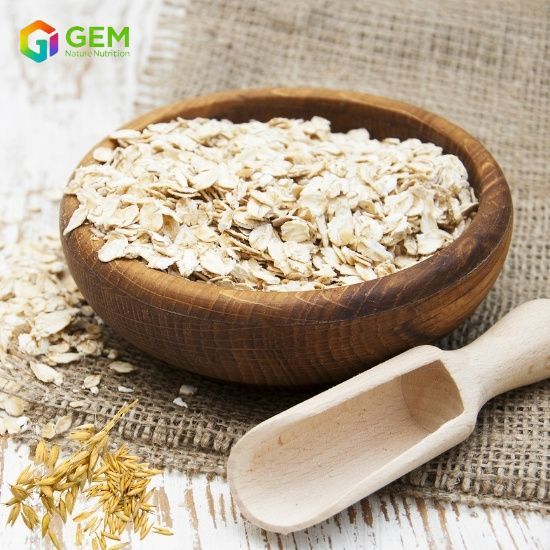
Enzymatic Oat Powder
Enzymatic Oat Powder bulk ingredient for B2B formulation sourcing. Request a specification sheet, batch COA, and documentation from GEM.
| 规格名称 | 规格值 |
|---|---|
| Plant Used | Oat |
| Plant Origin | Australia |
| Forms | Type A; Type B |
| Shelf Life | 18 months |
| Packing | 20 kg/bag; 25 kg/bag |
Enzymatic Oat Powder
Enzymatic Oat Powder is a functional oat ingredient produced from 100% Australian oats through partial enzymatic hydrolysis and spray drying, giving it superior solubility and a smooth, clean mouthfeel. GEM supplies two grades — Type A (a formula ingredient for downstream blending) and Type B (pre-blended with rapeseed oil for direct consumption) — for beverages, bakery, and nutritional applications.
Enzymatic Oat Powder Quick View
Plant Origin: 100% Australia oat
Technique: Partial enzymatic hydrolysis; spray dried
Certificate: ISO22000; ISO9001; HACCP; Kosher; Halal
Annual Production Capacity: 200+ tons
Shelf Life: 18 months
Features: Oat flavor; Nice smell; Smooth mouthfeel; High solubility
Application: Food & beverage; Cakes & coffee; Milkshakes; Powder drinks
Packing: 20 kg/bag; 25 kg/bag
Last updated: June 21, 2026
What is Enzymatic Oat Powder?
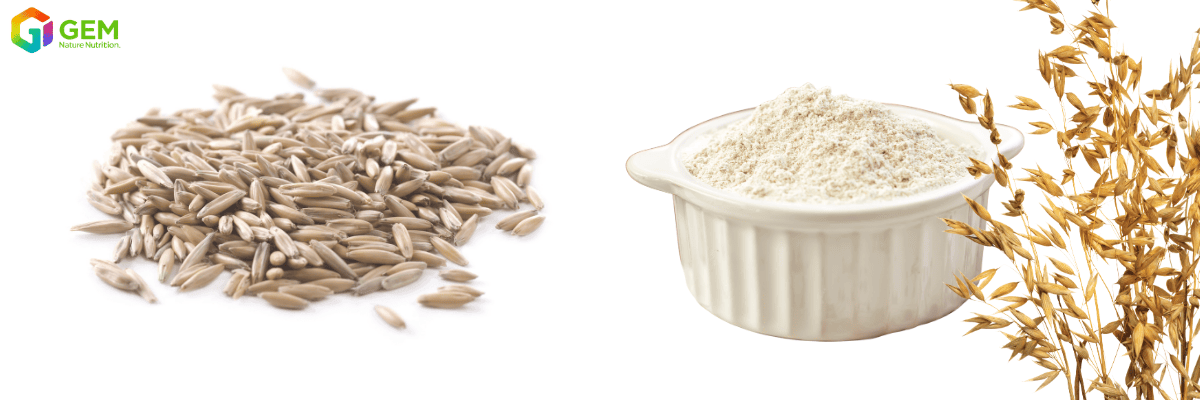
Oats are an annual herbaceous plant in the grass family (Poaceae) and a type of cereal grain. As an important food crop, oats are categorized as "coarse grains" in China, valued for their nutritional profile that combines beta-glucan soluble fiber, a balanced amino acid pattern, and a naturally mild flavor.
We choose high-quality Australia oat to produce oat powder, based on Enzymatic hydrolysis technology, which makes oat powder with a better smooth mouthfeel.
We have 2 kinds of powders for your different application.
First one: Enzymatic Oat Powder A Type.
Feature: You can use it as raw ingredients to add into your formula in powder drinks, food or beverages.
Second one: Enzymatic Oat Powder B Type.
Feature: Enzymatic oat powder mixing with rapeseed oil, it is our special formula, you can drink it directly.
From Whole Grain to Functional Powder
The journey begins with cleaned, food-grade Australian oats. Rather than simply milling the grain into flour, GEM applies a controlled enzymatic step before spray drying. This converts a portion of the oat's large starch and protein molecules into smaller, more water-friendly fragments. The powder that emerges is free-flowing, light in color, and ready to disperse. Because the process is partial — not total — the powder retains the recognizable oat character that consumers expect, while shedding the processing challenges that limit conventional oat flour in industrial recipes.
Two Grades for Different Production Lines
Not every customer manufactures the same way. Type A is built for downstream blending: it slots into powder drink bases, bakery premixes, and beverage systems where the brand owner controls the final formulation. Type B is pre-emulsified with rapeseed oil, creating a self-contained product that can be reconstituted with water or milk for direct consumption. This flexibility lets a single raw-material source serve both ingredient suppliers and finished-goods producers, reducing SKU complexity for distributors.
Conventional Oat Flour Limitations
Standard oat flour is made by grinding dehulled oats. It is nutritious but functionally stubborn. Its starch granules swell slowly, its proteins are relatively insoluble, and its natural oils can contribute a heavy, sometimes bitter note. In a cold-mix beverage, conventional flour tends to clump, settle, and leave a chalky aftertaste. In bakery, it can tighten crumb structure and shorten shelf life because of unsaturated fat oxidation.
The Enzymatic Hydrolysis Process
During partial enzymatic hydrolysis, food-grade enzymes cleave specific bonds within the oat's starch and protein matrix. The outcome is a population of shorter carbohydrate chains and peptide fragments that interact more readily with water. After hydrolysis, the liquid is spray dried into a fine, consistent powder. The spray-drying step also locks in a low moisture level (≤ 7% per specification), which protects against microbial growth and clumping during storage.
The smaller molecules produced by hydrolysis are the reason for the smooth mouthfeel and high solubility listed in our product features. They hydrate faster, suspend more evenly, and require less mechanical shear to incorporate. For a beverage plant, that can mean shorter mixing cycles and fewer rejected batches. For a bakery, it can mean a tender crumb and a cleaner label, because the texture work is done by the ingredient rather than by added hydrocolloids.
Production Process
GEM's enzymatic oat powder is manufactured through a controlled, food-grade route that turns raw Australian oats into a free-flowing, highly soluble powder. The line is standardized so that sensory and analytical results stay consistent from batch to batch — an important factor for brands running private-label or contract manufacturing programs.
Step 1 — Raw material intake and cleaning. 100% Australian oats are received, screened, and cleaned to food grade, removing foreign matter and verifying incoming quality against GEM's acceptance criteria.
Step 2 — Conditioning and slurry preparation. Cleaned oats are milled and conditioned into an aqueous slurry that is suitable for enzymatic action, with temperature and solids carefully controlled.
Step 3 — Partial enzymatic hydrolysis. Food-grade enzymes cleave targeted bonds within the oat's starch and protein matrix. The reaction is stopped at the partial-conversion point so the powder gains solubility and smoothness while still retaining recognizable oat character.
Step 4 — Spray drying. The hydrolyzed liquid is atomized and dried into a fine, consistent powder with a low moisture level (≤ 7% per specification), which protects against microbial growth and clumping during storage.
Step 5 — Sieving and standardization. The powder is screened for uniform particle size and blended to a consistent specification, supporting even dispersion in downstream recipes.
Step 6 — Quality control and metal detection. Each batch is tested against the specification (appearance, odor, microbiology, and heavy-metal limits) and passed through metal detection before release.
Step 7 — Packing. Finished powder is filled into 20 kg/bag or 25 kg/bag under sealed, controlled conditions, then stored cool and dry to support the 18-month shelf life.
The food-grade enzymes used in the hydrolysis step are recognized as processing aids under major food regulations, and the finished powder contains no listed synthetic additives. Because the process is partial rather than total, the native beta-glucan and much of the oat's nutritional identity are preserved in the final ingredient.
Beta-Glucan and Soluble Fiber
Enzymatic oat powder retains its native beta-glucan because the hydrolysis is partial and targeted. The fiber stays intact while the surrounding starch is made more soluble. This is a meaningful advantage over heavily refined oat starches, which strip away the fiber fraction. For product developers, it means a single ingredient can deliver both a functional texture and a fiber story on the pack. When combined with complementary soluble fibers such as inulin, formulators can build a prebiotic fiber system that supports gut-friendly positioning without sacrificing taste.
Solubility and Flavor Advantages
Solubility and flavor are where enzymatic oat powder earns its place in premium formulations.
Cold-water dispersion. Because a share of the starch is pre-converted, the powder wets quickly and disperses with minimal agitation. That matters for stick-pack shakes and ready-to-drink lines where high-shear mixing is impractical.
Smooth mouthfeel. Hydrolysis reduces the grittiness associated with whole-grain powders. The result is a creamy, rounded texture that reads as "premium" to consumers, especially in plant-based milk and protein shakes.
Mild, pleasant aroma. Our specification calls for a "typical oat smell with light sweet taste." The enzymatic process and rapeseed-oil option in Type B mellow the raw-cereal edge, giving developers a neutral-leaning base that accepts fruit, cocoa, coffee, or vanilla flavors without clash.
Clean-label fit. With no listed synthetic emulsifiers and a simple production route (enzymatic hydrolysis + spray drying), the ingredient supports clean-label and "simple ingredients" claims that resonate with modern shoppers.
Main Applications of Enzymatic Oat Powder
Breakfast Foods & Porridges
Nutritious Hot Cereals: Can be prepared as an oat mash (mixed with boiling water or milk) for a convenient, nutrient-dense breakfast.
Instant Oatmeal: Ideal for quick-prep porridges; pairs perfectly with fruits and nuts to enhance flavor and texture.
Enzymatic oat powder accelerates preparation because it hydrates faster than rolled or milled oats. For instant porridge brands, this shortens cook or reconstitution time and yields a smoother bowl. The mild sweetness also lets developers cut added sugar while keeping the product palatable.
Baking & Grain Processing
Fiber Enrichment: Frequently blended with wheat flour to produce bread, biscuits, and steamed buns, significantly increasing the dietary fiber content.
Blending Recommendations: Since oats lack gluten, it is best not to use them alone in baking. We recommend a 1:3 ratio (Oat Flour to High-Gluten Flour) to ensure optimal texture and structure.
In biscuits and soft-baked bars, enzymatic oat powder improves spread, tenderness, and moisture retention. Its high solubility means it incorporates into batter without forming lumps, reducing the need for premixing steps. Pairing it with pea protein powder lets bakeries add plant protein to the same matrix for a "high-fiber, high-protein" claim.
Meal Replacements & Nutritional Supplements
Composite Nutritional Powders: Can be blended with soy, sesame, and other ingredients for a drinkable supplement. Excellent for the elderly, recovering patients, or those with high physical energy demands.
Enzymatic oat powder is a natural base for ready-to-mix meal replacements because it carries protein, fiber, and energy in one ingredient. It blends smoothly with hemp protein powder and pea protein powder for composite nutritional systems. A touch of inulin can round the flavor and support a fiber claim without adding sugar.
Salads & Healthy Snacks
Crunchy Toppings: Toasted oats add a crisp texture and nutritional boost when sprinkled over fresh salads.
Energy Bars: A primary ingredient for healthy snacks like energy bars and oat cookies — perfect for post-workout recovery.
For snack manufacturers, the powder's binding and browning properties help compressed bars hold shape while delivering a wholesome oat identity. It also works as a coating or dusting agent for extruded snacks.
Formulation Tips for Beverages, Bakery, and Dairy Alternatives
Practical formulation guidance helps buyers get the most from enzymatic oat powder across categories.
Beverage & Shake Systems
- Hydration: Add powder to water or milk at 20–40 °C with gentle stirring. Partial hydrolysis means full dispersion is usually achieved in under two minutes.
- Protein pairing: For a complete plant-protein shake, blend with rice protein or pea protein to lift the amino acid score without introducing dairy.
- Sweetness & stability: A small addition of inulin smooths flavor and supports a fiber claim.
- Sedimentation: If a long shelf life is required, keep the powder fully hydrated and consider light homogenization; the natural beta-glucan already contributes viscosity that keeps particles in suspension.
Bakery & Grain-Based Products
- Ratio: Follow the 1:3 oat-to-high-gluten flour guideline for breads and buns to preserve structure.
- Dosage: Typical inclusion is 5–20% of total flour weight, adjusted for the target fiber claim and texture.
- Moisture: Because the powder is low in moisture, it can improve crumb softness; monitor total water in the formula.
Dairy-Alternative and Plant-Based Formulations
Enzymatic oat powder is well suited to plant-based milk, yogurt alternatives, and coffee creamers. Its smooth mouthfeel mimics dairy fat perception, reducing the need for added oils. Type B, pre-blended with rapeseed oil, is especially convenient for direct-mix plant beverages. When building a barista-style oat drink, combine with a stable protein source and a clean-label emulsifier system to resist separation under heat.
Enzymatic Oat Powder Specification
| Test Item | Specification | Test Methods |
|---|---|---|
| Appearance | White powder | Organ |
| Odor&Taste | Typical oat smell with light sweet taste | Organ |
| Moisture | ≤ 7% | GB/T 20885-2007 |
| Fat | 8%-12% | GB 5009.3 |
| Pb(lead) | ≤ 1% | GB 5009.12 |
| Total plate count | ≤ 50,000cfu/g | GB 4789.2-2016 |
| Coliforms | ≤ 100cfu/g | GB 4789.2-2016 |
| Mold & Yeast | ≤ 50cfu/g | GB 4789.15 |
| Salmonella | ≤ 25cfu/g | GB 4789.4 |
Market and Regulatory Context
The global shift toward plant-based and clean-label foods has lifted demand for oat-based ingredients well beyond traditional breakfast cereals. Oat drinks, oat yogurt, and oat-based snacks are now mainstream categories in Europe, North America, and Asia-Pacific. Within this trend, enzymatic oat powder sits at the functional end of the spectrum: it offers the sensory and processing benefits that commodity oat flour cannot.
From a regulatory standpoint, oats are botanically gluten-free, though cross-contact with wheat, barley, or rye can occur during farming and milling. GEM's enzymatic oat powder is produced under ISO22000, ISO9001, and HACCP systems, and carries Kosher and Halal certificates, supporting halal and kosher product lines and export to regions with specific dietary certification requirements. Buyers should confirm the exact certificate scope for their target market and, where a "gluten-free" claim is required, request the relevant testing documentation. Food-grade enzymes used in the hydrolysis step are recognized as processing aids under major food regulations, and the final powder contains no listed synthetic additives.
Private Label & ODM Guidance
Enzymatic oat powder is rarely the only ingredient in a finished product, and GEM supports brand owners who want more than a raw material. Our private-label and ODM services cover custom blending, Type B pre-emulsion with rapeseed oil for direct-consumption formats, and tailored oat systems matched to your sensory and cost targets.
Because oats work well as a base rather than a solo act, many GEM customers build multi-ingredient programs from a single qualified supplier. Enzymatic oat powder pairs naturally with other items in GEM's plant-protein and fiber portfolio — for example pea protein powder and rice protein for amino-acid-complete shakes, hemp protein powder for composite nutritional powders, and inulin for a clean-label prebiotic fiber system. Sourcing the base and its companions from one manufacturer reduces paperwork, lead time, and quality risk across the recipe.
Typical ODM engagement steps: (1) share your target application, flavor direction, and budget; (2) GEM proposes a grade or blend with samples; (3) you pilot and refine; (4) we lock the spec, certificates, and packing for recurring production. Certificates available include ISO22000, ISO9001, HACCP, Kosher, and Halal. Custom packing can be discussed for private-label programs.
B2B Buying and MOQ Guidance
GEM supplies enzymatic oat powder to ingredient distributors, contract manufacturers, and branded food producers. The following points help procurement teams plan an order.
- Packaging: Standard packing is 20 kg/bag or 25 kg/bag. Custom packing can be discussed for private-label programs.
- Capacity: Annual production capacity exceeds 200 tons, supporting both trial and recurring volume.
- Minimum order quantity: MOQ depends on grade (Type A vs Type B) and packing. Contact GEM with your target formulation and forecast to receive a quote and lead time.
- Documentation: Specification Sheet, COA, and MSDS are available on request. Kosher, Halal, and ISO/HACCP certificates are issued for qualified commercial orders.
- Sampling: Request a representative sample before scaling production; note whether you need Type A (blending) or Type B (direct consumption) for accurate evaluation.
- Logistics: With an 18-month shelf life under sealed, cool, and dry storage, the product supports buffer stock and multi-shipment annual contracts.
Frequently Asked Questions
1. What is the difference between Type A and Type B?
Type A is a raw ingredient for powder drinks, food, and beverages. Type B is pre-mixed with rapeseed oil for direct consumption.
2. Why use Australian oats?
GEM selects high-quality Australian oats for consistent flavor, safety, and supply reliability in enzymatic oat applications.
3. What makes enzymatic hydrolysis beneficial?
Partial hydrolysis improves solubility and smooth mouthfeel versus standard oat flour in beverage and dairy-alternative formulas.
4. What is the shelf life?
18 months under recommended sealed storage in a cool, dry place.
5. What packaging options are available?
20 kg/bag and 25 kg/bag — contact GEM for custom packaging requirements.
6. What B2B documents are provided?
Specification Sheet, COA, MSDS, plus Kosher, Halal, and ISO/HACCP certificates for qualified orders.
7. What is the typical protein content of enzymatic oat powder?
Per our Nutrition Data, the powder provides 12 g of protein per 100 g, alongside about 75.9 g of carbohydrates and 10 g of total fat. While it is not a high-purity protein isolate, it contributes meaningful oat protein to beverages, bakery, and nutritional blends.
9. Can enzymatic oat powder be used in dairy alternatives?
Absolutely. Its smooth mouthfeel and natural viscosity make it a strong base for plant-based milk, yogurt alternatives, and coffee creamers. Type B, pre-blended with rapeseed oil, is especially convenient for direct-mix beverages.
10. Is the product gluten-free?
Oats are botanically gluten-free, but cross-contact with gluten-containing grains can occur upstream. Our production follows ISO22000, ISO9001, and HACCP controls. If your market requires a certified "gluten-free" claim, request the applicable testing and certificate scope when you inquire.
11. How does it compare to conventional oat flour?
Conventional oat flour is simply ground grain: nutritious but slow to hydrate and prone to grittiness. Enzymatic oat powder is partially hydrolyzed and spray dried, giving it faster dispersion, a smoother texture, and a milder flavor — advantages that translate into shorter mixing times and cleaner labels.
12. What is the minimum order quantity for a trial?
MOQ varies by grade and packing. GEM supports both sampling and commercial volumes against its 200+ ton annual capacity. Share your formulation, target pack size, and forecast to receive pricing and lead time.
Further Reading
- Explore Pea Protein Powder for a complementary plant-protein source in shakes and dairy alternatives.
- Learn how Inulin pairs with oat beta-glucan to build clean-label fiber systems.
- See Rice Protein for a hypoallergenic protein option to blend with enzymatic oat powder in beverage formulations.
- Combine with Hemp Protein Powder for composite nutritional and meal-replacement systems.